
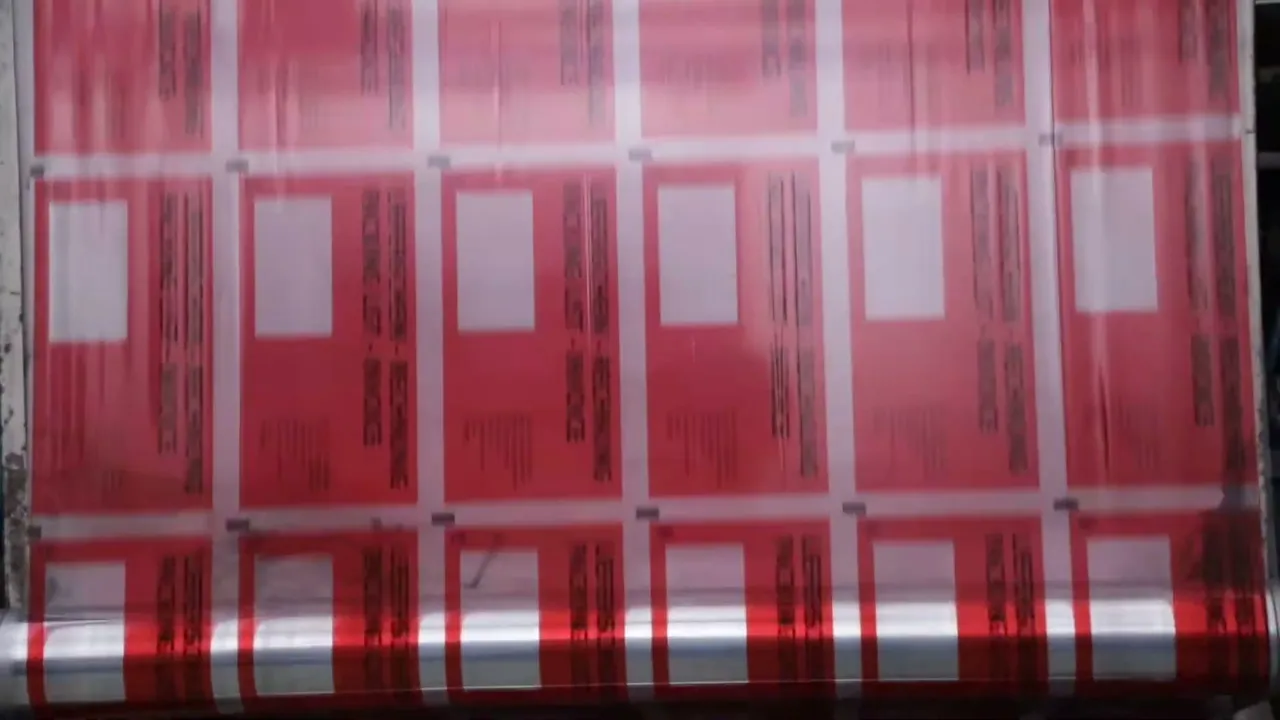
How to Buy Packing List Envelopes in Bulk
Buying packing list envelopes in bulk is easy once you treat it as four steps instead of one purchase.
Write a spec, get a sample, secure a quote, then place the order.
Doing it in that order avoids the most expensive mistake I see.
That mistake is committing to a big quantity before you have confirmed the size, film and print are right.
We have made packaging in Jaipur since 1997 and ship these pouches to 20+ countries, so I have seen bulk orders from both sides of the table. Below is how I would buy if I were in your seat, what to tell a manufacturer, and how to plan volume by carton, pallet or container.
What is the process for buying packing list envelopes in bulk?
It runs spec, sample, quote, order. We would follow the same order ourselves if we were the buyer. Each step removes a risk from the next one, so by the time you commit to volume, every detail is fixed.
- Spec. Write down the size, opening style, material and any printing. A written spec is what every supplier quotes against.
- Sample. Ask for a physical sample, or a pre-production sample if the pouch is printed. Check the fit, the adhesive and the print before volume production starts.
- Quote. Get a written quote with the unit price at your target quantity, the packing details, the lead time and the shipping terms.
- Order. Confirm artwork, quantity and delivery date, then raise a purchase order. Keep the approved sample as your quality reference.
Most buyers want to skip step 2. We would ask you not to.
A sample costs a few days. A container of the wrong size costs months of stock you cannot use, and nobody at the other end can fix that for you.
Buying direct from a manufacturer usually gives you better pricing, more control over custom work and one contact for repeat orders. You can see the standard styles we make on our products page, and compare the buying channels in where to buy packing list envelopes.
What information should you give a manufacturer?
Give a complete brief at the start. It gets you a faster, more accurate quote and saves a week of back-and-forth email.
If you send us all seven points below, there is very little left for us to ask.
A good brief answers every question a production planner would ask. Here is what I would include.
- Size. Use the size code as written, for example A4, DL, 4.5 × 5.5 or 6 × 9, and say whether it must fit a particular document or box.
- Opening style. Top-load or side-load, and whether you need a resealable or peel-and-seal closure.
- Material. Clear film so the slip can be read through the pouch, or a printed face. Mention it if the cartons will see rain or damp.
- Printing. The exact wording, such as “Packing List Enclosed” or “Invoice Enclosed”, the language, the ink colours and your logo if it is branded.
- Quantity. The total units, and whether it is a one-off or a repeat order. Volume moves unit cost more than anything else.
- Destination. Your city or port, so the supplier can quote freight and the right Incoterms.
- Timeline. The date you need stock in hand, including any seasonal peak you are building up for.
The more of this you supply, the closer the first quote will be to the final number. If your artwork is not ready, say so. Most manufacturers, us included, can help with the layout, and our custom print page shows what is possible.
For how volume affects what you can order, see packing list envelope MOQ explained.
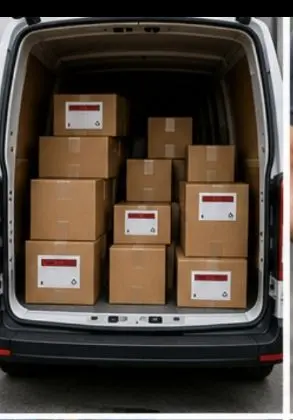
Carton vs pallet vs container: which should you buy?
Choose by how much you use and how much you can store.
The three units scale from a trial order to a full import load, and our advice is different for each.
| Buying unit | Best for | Typical use case | Trade-off |
|---|---|---|---|
| Carton | Small or trial volumes | First order, testing a new size or print | Highest unit cost, quick to receive |
| Pallet | Steady mid-volume | Regular reordering by a warehouse or 3PL | Balances price and storage, needs pallet space |
| Container | High volume | Importers and distributors combining demand | Lowest unit cost, ties up cash and storage |
Cartons are the easiest way in, and they travel by parcel or LTL freight. Ask for the carton count, weight and dimensions so you can plan handling.
Pallets suit steady monthly usage. How many cartons go on a pallet depends on the envelope size, so get that number on the quote. Ask us, or any supplier, for that figure before you commit.
Containers, usually 20 ft or 40 ft, give the best unit price when you can use thousands of units. They also need space, cash and longer planning.
Here is the honest downside of the container route. The cheapest unit price in the world is no help if the stock sits for a year, takes up floor space you need for goods, and ages in a hot warehouse. I would rather you buy a pallet you finish than a container you regret.
I will not give exact carton, pallet or container counts here. They depend entirely on the size and packing you choose, so always get them in writing before you book freight.
How do you plan bulk volume?
Plan from real usage, not a guess. Work out consumption, add a buffer, then pick the buying unit.
- Estimate monthly usage. Multiply your typical monthly shipments by the envelopes used per shipment.
- Add a buffer. Allow for seasonal peaks, damaged units and growth. Many teams add 10 to 20%.
- Choose a holding period. Decide how many months of stock you want on hand. More months means fewer, larger orders and a lower unit cost, but more cash and space tied up.
- Round to a buying unit. Take your target quantity up to whole cartons, pallets or a container to get the volume price.
- Set a reorder point. Reorder when your stock covers the full lead time, i.e. production, transit and customs, plus your buffer.
This is the rule of the trade most first-time importers learn the hard way.
The reorder point matters as much as the order size.
Overseas orders can take several weeks door to door, so build that window into your plan and confirm the exact lead time with your supplier.
A quick checklist before you order
- The spec is written and agreed, covering size, style, material and print.
- A sample has arrived and you have approved it.
- The written quote covers price, packing, lead time and shipping terms.
- The quantity is rounded to cartons, a pallet or a container.
- The reorder point is set against the full lead time.
Ready to spec your first bulk order? Send us your sizes, printing and destination, and we will send samples and a written quote for your volume.
Frequently asked questions
How do I buy packing list envelopes in bulk?
Work in four steps. Write a clear spec, test a sample, get a written quote, then place the order with the lead time and Incoterms agreed. Buying direct from a manufacturer usually gives better pricing and more room to customise at volume.
What information does a manufacturer need to quote bulk packing list envelopes?
The size, the opening style, clear or printed face, the exact wording or artwork, ink colours, total quantity, your delivery city or port, and the date you need the stock. A complete brief gets you a faster and more accurate quote.
How many packing list envelopes come in a carton?
It depends on the size and style, so treat any number as a guide until it is on your quote. Small pouches pack far more per carton than A4 ones. Ask for the exact carton count, weight and dimensions before you plan freight.
Should I buy by carton, pallet or container?
Cartons suit trials and small users, pallets suit steady monthly reordering, and a full container makes sense only when you can use thousands of units. Your monthly usage, your storage space and your cash flow decide it.
How do I estimate how many envelopes I need?
Multiply your monthly shipments by the envelopes used per shipment. Add a buffer for peaks and damage, then decide how many months of stock you want to hold. That gives a target quantity you can round to cartons, pallets or a container.
Is it cheaper to buy packing list envelopes wholesale from a manufacturer?
Generally, yes. Buying direct removes the distributor margin and lets you set the size, print and packing. Unit cost usually falls as volume rises, which is why importers and 3PL teams combine demand into fewer, larger orders.
How far ahead should I order to avoid running out?
Plan around the full lead time, i.e. production, transit and customs together. For imported orders that can run to several weeks. Reorder when your stock covers that window plus a safety buffer, and confirm the exact lead time on your quote.
Sourcing these in volume?
We make packing list envelopes in Jaipur for importers and distributors. Factory-direct, private label welcome.