
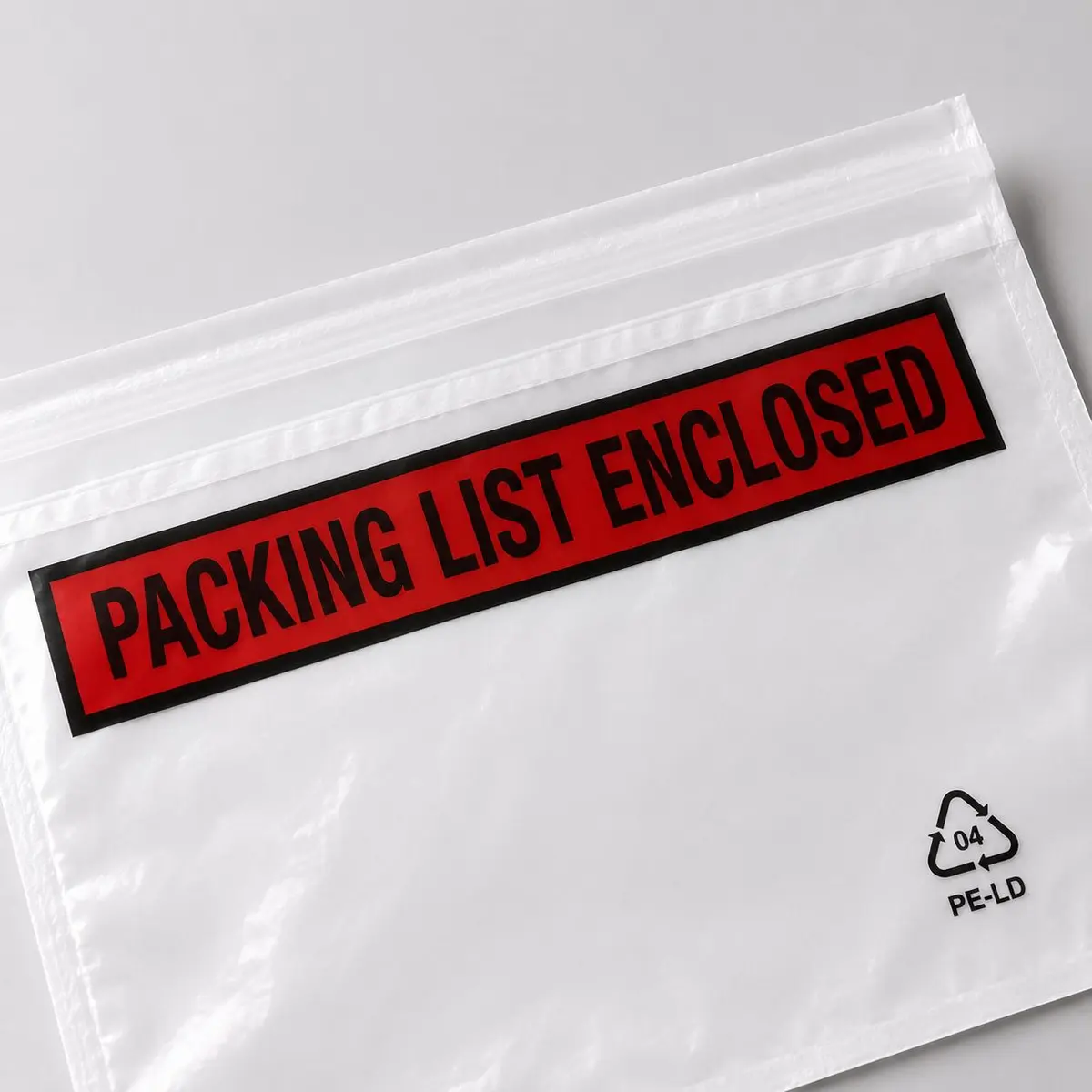
EU Packaging Rules (PPWR) and Document Pouches
The EU Packaging and Packaging Waste Regulation (PPWR) is changing how packaging is designed, bought and sold into Europe. Document pouches and packing list envelopes are part of that.
This is a plain overview of where the rules are heading. It is not legal advice.
The official text is the final word. Please check any date, figure or product class with a qualified adviser before you act on it.
What is the PPWR, in plain terms?
It is one EU-wide law that sets common rules for how packaging is made, used and recovered. The aim is less waste, and packs that are easier to recycle. Because it is a regulation and not a directive, it applies the same way in every member state, in place of the old national rules.
It has 4 main themes:
- Recycling. Packaging should be designed so it can be recycled, and over time it should actually get recycled through real collection and sorting.
- Recycled content. Plastic packaging should carry a minimum share of recycled plastic, and that share goes up over time.
- Less packaging. A pack should not use more material, weight or space than the job needs.
- Labels. Clearer marking, so people know which bin it goes in.
For a B2B buyer, the message is simple.
Packaging is now a legal and buying question, and it is no longer only a cost line.
Does a document pouch count as packaging under the PPWR?
Generally, yes. The PPWR defines packaging widely, as anything used to hold, protect, handle or present goods on their way to the buyer. A documents-enclosed pouch that carries the packing list, invoice or customs papers on a carton is normally treated as packaging.
So the same 4 themes apply to it. That said, the answer can depend on the exact product and how you use it. I would ask an adviser how your pouches are classed, and not assume.
What does the recycling rule mean for pouches?
It pushes the market away from mixed-material builds that are hard to recycle, and towards designs that fit the recycling streams that already exist. The Commission is still writing the detailed grades and design rules in follow-up acts, so the exact limits will firm up over time.
For pouches, the effect on how they are built is big:
- Single-material films, for example all-polyethylene or all-polypropylene, are easier to sort and recycle.
- Laminates that bond different plastics, foils or coatings tend to score worse, because they are hard to separate.
- Paper pouches give another route where the job allows.
Think of it like a thali. You can eat each dish, but once it is all stirred together you cannot unmix it. A recycler sees a laminate the same way. This is why what the pouch is made of now matters more than how it looks.
How do the 4 themes compare for a pouch?
They all pull the same way. Here is a simple view of what each asks, and what it means for a document pouch.
| PPWR theme | What it asks of packaging | What it means for document pouches |
|---|---|---|
| Recyclability | Designed for recycling, recyclable through real systems over time | Favour mono-material film or paper, avoid laminates that will not separate |
| Recycled content | A minimum, rising share of recycled material in plastics | Ask suppliers about recycled-content options and their paperwork |
| Minimisation | No more material, weight or volume than needed | Right-size the pouch, use thinner film where it still does the job |
| Labelling | Clearer, consistent marking | Help correct sorting and disposal at end of life |
These are general principles. The exact rules and dates come from the PPWR and its follow-up acts.
Are plastic document pouches banned?
No, they are not.
The PPWR is not a blanket ban on plastic pouches. The pressure falls on packaging that is hard to recycle, oversized or not needed at all. It does not target document pouches as a group. A pouch that meets the recycling and content rules can keep doing its job, which is keeping shipping papers attached, dry and readable.
I expect a shift in the mix, not the end of the product. There will be more recyclable pouches, more pouches with recycled content, more right-sized formats and better labels. We offer recyclable and biodegradable document pouches and plastic-free paper pouches for buyers who want a lower-impact choice.
I will be honest about one thing. A greener pouch is not always the cheaper pouch today, and paper will not handle rain as well as film does. So the right answer depends on your lane.
Who carries the duty, and what should buyers do?
Duties can fall on the maker, the importer and the distributor who sells packaging into the EU. Each has its own list. So an importer or a master distributor should not assume the duty sits only with the factory.
A rule of the trade I would follow: never accept a green claim you cannot file. If a supplier says “recyclable” or “made with recycled plastic”, ask for it in writing and keep that paper on file.
Here are the 5 steps I would take now, whatever the final numbers turn out to be:
- List which pouch sizes, and roughly what volumes, go into the EU.
- Ask your supplier what each pouch is made of, how it is recycled, and any recycled-content claim.
- Prefer single-material, right-sized designs, because they help with 2 of the 4 themes at once.
- Keep the supplier letters that back up your material claims.
- Check dates, grades and figures with an adviser.
We have made packaging in Jaipur since 1997. We are ISO 9001 certified, we hold CE and RoHS, and we export to 20+ countries. We are used to buyers who need a spec to match their market. If you want your brand or a disposal message printed on the pouch, see custom print. The full range is on our products page.
Planning EU-bound shipments under the new rules? Tell us which countries you ship to and the pouch sizes you use, and we will suggest recyclable, right-sized options and send samples to try. Please still confirm the legal details with your own adviser.
Frequently asked questions
Does a packing list envelope count as packaging under the PPWR?
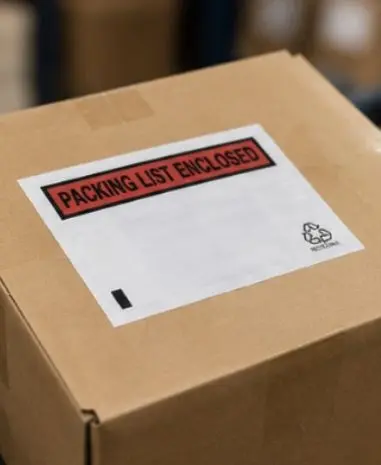
In most cases, yes. The regulation defines packaging broadly, covering items used to contain, protect, handle or present goods. A pouch fixed to a carton to carry shipping papers is generally treated as packaging, but confirm the classification for your exact use with a qualified adviser.
What does the PPWR require for recyclability?
It sets a direction: packaging sold in the EU should be designed for recycling and, over time, recyclable at scale through real collection and sorting systems. The detailed grades and design criteria come through secondary legislation. Mono-material structures tend to score better than laminates that are hard to separate.
Do document pouches need recycled content?
The PPWR brings in minimum recycled-content targets for plastic packaging that rise over time, with phased dates and percentages by category. How much applies to a given pouch depends on its material, its end use and the implementing rules. Treat published figures as a direction of travel, not a promise for any one product.
Are plastic document pouches banned in the EU?
No. The PPWR is not a blanket ban on plastic pouches. It presses on packaging that is hard to recycle, excessive or unnecessary, so pouches that meet the design and content expectations can stay in use.
What is packaging minimisation under the PPWR?
It means packaging should not use more material, weight or volume than the job needs. For a document pouch, that points to the right size for the paperwork, thinner films where performance allows, and no extra layers or features.
Does the PPWR apply to importers and distributors, not just manufacturers?
Yes. Duties can fall on manufacturers, importers and distributors that place packaging on the EU market, and each role has its own obligations. An importer should not assume the whole burden sits with the factory.
How should buyers prepare their document pouch sourcing for the PPWR?
Start by mapping which pouch formats you sell into the EU. Then ask suppliers for material composition and recyclability details, favour mono-material and right-sized designs, and keep the paperwork behind any material claim. Confirm the specifics with a compliance professional.
Sourcing these in volume?
We make packing list envelopes in Jaipur for importers and distributors. Factory-direct, private label welcome.