
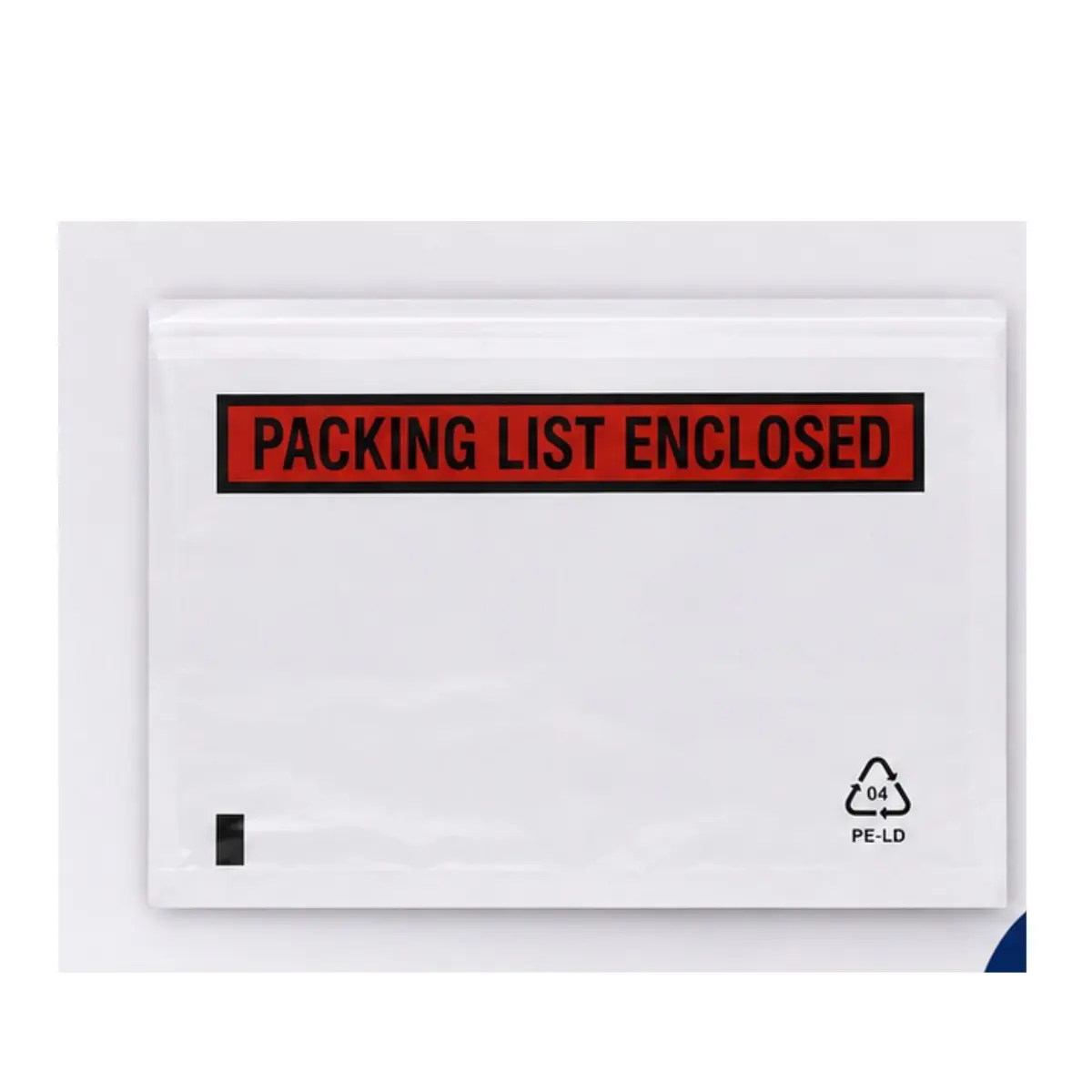
Recyclable and Biodegradable Document Pouches: What Claims Mean
A recyclable or biodegradable document pouch is a packing list envelope made to have a real end of life. It is either recycled back into material, or it breaks down to a defined standard, instead of going straight to landfill.
The catch is that those two words are not the same. Today, the wrong claim on your packaging is a compliance risk, not just a marketing slip.
We have made packaging in Jaipur since 1997, so I will say this plainly.
Paper is good where it works. Film is good where it works. A vague green label is good for nobody.
Below I explain what the eco labels mean, what is pushing the change (EU rules and ESG reporting), and how B2B distributors can pick between paper wallets and recyclable or compostable films without falling into greenwashing.
What do “recyclable”, “biodegradable” and “compostable” actually mean?
They describe 3 different end-of-life routes, and only some are backed by standards. Treating them as the same word is the most common mistake I see buyers make.
- Recyclable means the material can be collected and made into new material. The key question is which stream: kerbside paper, or a store drop-off for soft plastic, which is not always the household bin.
- Compostable means it breaks down into non-toxic matter within a set time under set conditions, checked against a standard such as EN 13432 (EU) or ASTM D6400 (US). “Industrially compostable” and “home compostable” are not the same thing either.
- Biodegradable, on its own, only means the material will break down some day, with no time or conditions stated. That vagueness is exactly why regulators now treat a bare “biodegradable” claim as greenwashing.
| Claim | What it promises | Needs a standard? | Typical risk |
|---|---|---|---|
| Recyclable | Reprocessed into new material | Reference the collection stream | Mixed materials can’t be recycled |
| Compostable | Breaks down to defined standard | Yes, EN 13432 / ASTM D6400 | Needs the right composting facility |
| Biodegradable (unqualified) | “Eventually breaks down” | No timeframe = weak claim | Flagged as greenwashing |
So a qualified claim is defensible. “Recyclable in store soft-plastic collections” or “industrially compostable to EN 13432” will stand up. A bare “eco-friendly” or “biodegradable” increasingly will not.
Should I choose paper wallets or recyclable film?
Paper wins on easy recycling. Film wins on toughness.
Both can be genuinely sustainable. The right pick depends on where the parcels land and what they go through on the way.
Paper documents enclosed wallets are built from paper layers, often a top sheet, a gummed base and a clear glassine-style window. The whole wallet can usually go into the cardboard stream still stuck to the carton, so the recipient does not have to peel it off. That is a real advantage. The downside is that paper resists water much less well.
Recyclable mono-material films are pouches made from a single polymer, so they stay in one recycling stream and do not contaminate it. They keep the water, dust and tear resistance buyers expect from a poly pouch. Recycling them usually means a soft-plastic or film route, and that is not available kerbside everywhere.
Compostable films break down to a standard, but only where the matching composting plant exists. If they slip into a plastic recycling stream they can spoil it. That makes them better for local or closed-loop routes than for global export.
For a wider look at the two base materials, our article on paper vs plastic document pouches covers durability and cost in detail.
What is driving the shift: EU rules and ESG?
Regulation and corporate reporting are the main drivers, more than consumer feeling. 2 forces are pushing distributors to clean up their packaging claims.
- The EU Packaging and Packaging Waste Regulation (PPWR) pushes all packaging towards being recyclable by 2030. It limits compostable packaging to narrow uses where it brings a real benefit, requires that biodegradable materials do not disrupt existing recycling streams, and asks that environmental claims be specific and backed by evidence. Vague “eco-friendly” wording will face tougher checks.
- Large importers and retailers now ask suppliers for packaging that fits their own sustainability reporting. A pouch with a named standard and a real recycling stream can be audited. A “green” pouch with no evidence becomes a problem in their supply-chain disclosures.
The market is moving from claims that sound good to claims that can be proven. I welcome that.
This favours recyclable single-material designs with a clear end of life, and it is where we would point most buyers today.
How should a distributor choose?
Match the material to the destination market, the transit conditions and the claim you can defend. I would work through these 5 questions in order.
- What recycling do your recipients actually have? Where parcels land, is kerbside paper recycling strong, or is soft-plastic drop-off the normal route?
- How rough is the trip? Dry, short domestic routes suit paper wallets. Wet, rough or long export routes suit recyclable mono-films that stay waterproof.
- What can you prove? Only use words you can back with a standard or a stream, and drop bare “biodegradable” and “eco-friendly”.
- Can it be single-material? Mixed paper-plus-plastic laminates are the hardest to recycle, and all-paper or single-polymer designs are the safest bet under PPWR.
- Which certificates apply? For composting, look for EN 13432, ASTM D6400 or TUV OK Compost. For recycled content, look for GRS, or FSC on paper. Ask your supplier to name the standard and the stream.
You do not have to over-specify.
For many routes, a recyclable mono-material pouch is the most defensible balance of protection and end of life. You can see the formats we offer on our products page.
Want pouches that fit your destination markets and stand up to an ESG audit? Tell us your routes and how the packaging is disposed of, and we will suggest the most defensible option and send samples to try.
Frequently asked questions
Are packing list envelopes recyclable?
It depends on the material. Paper wallets can usually go into the cardboard stream with the carton, while many poly pouches are recyclable through soft-plastic or film collection rather than the household bin. Single-material pouches are the easiest to recycle. Always check which stream exists in your destination market.
What is the difference between biodegradable, compostable and recyclable?
Recyclable means the material can be collected and made into new material. Compostable means it breaks down within a set time under set conditions, checked against a standard such as EN 13432 or ASTM D6400. Biodegradable on its own gives no time or conditions, which is why regulators now treat that bare claim as greenwashing.
Are biodegradable document pouches actually better for the environment?
Only when the claim is qualified and the disposal route really exists. A certified compostable film helps where industrial composting is available, but in a plastic recycling stream it becomes a contaminant. For most B2B shipping, a recyclable single-material pouch is the safer choice.
Are paper documents enclosed wallets recyclable with the box?
Yes, and that is their biggest advantage. A paper wallet with a glassine-style window can usually go into cardboard recycling still stuck to the carton, so nobody has to peel it off. Ask your supplier to confirm that the adhesive and window are paper-compatible.
What does the EU PPWR mean for document pouches?
The EU Packaging and Packaging Waste Regulation pushes all packaging towards being recyclable by 2030. It also limits where compostable packaging is allowed and requires environmental claims to be specific and backed by evidence. For document pouches, that favours recyclable single-material designs with honest, qualified claims.
What certifications should I look for on an eco-friendly packing list pouch?
For composting, look for EN 13432 (EU), ASTM D6400 (US) or TUV OK Compost marks. For recycled content, look for GRS, and for paper, FSC. A credible supplier names both the standard and the collection stream, not just the word 'green'.
How do I choose between recyclable paper and recyclable film pouches?
Match the material to where parcels land and how they travel. Paper suits markets with strong paper recycling and dry routes. Mono-material film suits wet or rough routes, or markets where soft-plastic recycling is the normal path.
Sourcing these in volume?
We make packing list envelopes in Jaipur for importers and distributors. Factory-direct, private label welcome.