
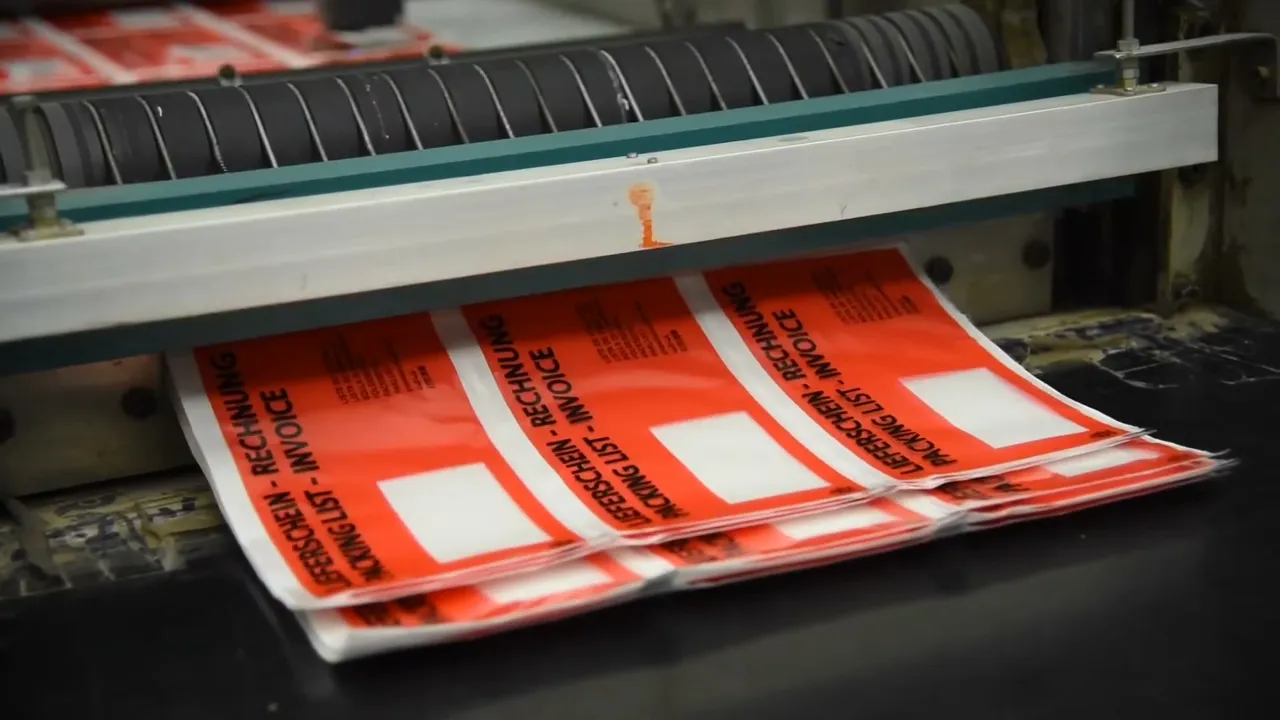
Importing Packing List Envelopes: What to Check First
Importing packing list envelopes can cut your cost per piece quite a lot.
It only works if you check the right things before you commit.
Those things are the specification and sample, the Incoterm, freight and duty, lead time, MOQ, quality records and the export papers. Agree all of them in writing up front. Skip one and you risk a customs delay, a surprise bill, or cartons of stock that do not match what you approved.
I am writing this as the exporter on the other side of that deal. We have shipped packaging from Jaipur to 20+ countries, so these are the checks I would want a careful buyer to make with us.
What specs and samples should I confirm first?
Lock the specification and approve a physical sample before anything else.
I would not skip this even for a repeat supplier, because everything after it depends on the sample.
A drawing or photo is not enough for a product where the adhesive and the finish matter. Put these in writing and ask for a reference sample against them.
- Size. Keep size codes as written (A4, DL, 4.5 × 5.5, 6 × 9) and say if dimensions are internal or external.
- Material and thickness. The film type and gauge, paper-backed or all plastic, clear or coloured.
- Adhesive. How strong it should be, and the surface it must stick to (corrugated board, polybags, stretch wrap).
- Format. Top-loading or side-loading, full-face or panel-face, and any printed legend such as “Packing List Enclosed”.
- Print. Your logo, barcodes, return text or wording in two languages, with colours and artwork signed off. Our custom print page lists what is possible.
Keep one sealed, signed sample on your side. It becomes the benchmark for every pre-shipment check later. For a longer supplier checklist, see how to evaluate a pouch supplier.
Which Incoterm should I use?
Agree the Incoterm before you compare prices.
It decides who pays for each leg of the journey and who carries the risk.
The same unit price means very different things under different terms. Comparing a FOB quote with a CIF quote is a common first-import mistake, and it is an easy one to avoid.
FOB (Free On Board) is the usual middle ground for sea freight. The supplier clears the goods for export and loads them at the port, and you take over from there. CIF adds the sea freight and insurance to your destination port. EXW puts almost everything on you from the factory door. For air or container shipments, many buyers use FCA instead, so ask your forwarder which one fits.
| Incoterm | Supplier handles | You handle | Best when |
|---|---|---|---|
| EXW | Goods ready at the factory | Everything from the door onward | You have a strong forwarder in the origin country |
| FOB | Export clearance and loading at the port | Sea freight, insurance, import side | You want a clean handover at the port |
| CIF | Freight and insurance to your port | Import clearance, duty, inland delivery | You prefer the supplier to book the main freight |
How do I work out freight and duty?
Compare suppliers on landed cost, not the factory price.
The cheapest factory quote is not always the cheapest one at your door. We would rather lose an order on a fair landed comparison than win it on a misleading factory price.
Three parts deserve attention.
- Freight. Packing list envelopes are light but bulky, so volumetric weight often sets the cost. Ask how many pieces go in a carton and how the cartons fill a pallet or container.
- Duty and tax. Duty depends on the HS code and your country’s tariff, plus any import VAT or GST. Confirm the code with your customs broker, not with the supplier alone.
- Preferential rates. If India has a trade agreement with your country, a valid certificate of origin may lower or remove the duty. Ask for it at the quote stage, not after the goods have sailed. Our range is on the products page.
Make a simple landed-cost sheet for each supplier, so you compare like with like. Think of it like buying mangoes from two different mandis. The price per kilo means little until you add the auto fare home.
What about lead time and MOQ?
Treat both as terms to discuss, not fixed facts.
And define exactly what each one covers. I say this as a manufacturer, because we would much rather have the conversation early than argue about a date later.
For lead time, ask what the quoted days include. Many quotes show production time only, without sea or air transit and customs clearance. So the real date your stock reaches the shelf is later than it looks. Peak seasons stretch it further, so place reorders early.
For MOQ, ask if it applies per order or per size and print version. A low headline MOQ can grow fast if every variant counts on its own. It is often more flexible for repeat business, longer contracts, or when you combine several sizes into one run.
Which quality documents and export papers do I need?
You need two separate sets.
Quality records prove the goods are right. Export papers get them through customs.
Quality records to ask for:
- A pre-shipment inspection report against your approved sample, ideally on a recognised sampling standard such as ISO 2859-1 (AQL).
- Certificates that matter in your market. Many buyers look for ISO 9001, CE and RoHS, which we hold.
- An acceptable defect rate (AQL) written into the order itself.
Export papers the supplier should provide:
- Commercial invoice, with value, terms and currency.
- Packing list, with cartons, weights, dimensions and counts.
- Bill of lading or air waybill, the transport document.
- Certificate of origin, for clearance and any duty preference.
Decide who issues each document before production. A mismatch between the invoice, the packing list and the transport document is one of the most common reasons shipments get held at customs.
A pre-import checklist
- Spec and sample approved and signed.
- Incoterm agreed.
- Landed cost worked out, i.e. price, freight, duty, tax and clearance.
- HS code confirmed with your broker.
- Lead time clarified, production versus delivered.
- MOQ confirmed, per order or per variant.
- Quality records and AQL agreed.
- Export papers listed, with an owner for each.
Go through these before a first order and most of the avoidable risk goes away. I am happy to go through them with you on a call. When you are ready to compare sources, read where to buy packing list envelopes.
Sourcing packing list envelopes from overseas? Send us your sizes, quantities and destination port, and we will quote on the Incoterm you prefer and send samples to approve first.
Frequently asked questions
What should I check before importing packing list envelopes?
Start with the specification and a physical sample you have approved. Then agree the Incoterm, price, MOQ and lead time in writing. Before shipment, check the quality records and the export papers, so clearance at your end goes smoothly.
Which Incoterm is best when importing document pouches?
FOB is the usual middle ground for sea freight. The supplier clears the goods for export and loads them at the port, and you control the freight from there. CIF hands more of the journey to the supplier, and EXW hands almost all of it to you. If you already have a freight forwarder you trust, FOB or EXW usually makes sense.
How do I estimate the landed cost of imported packing list envelopes?
Add the unit price, international freight, insurance, import duty, local taxes, customs clearance and inland delivery. That total is your landed cost. Compare suppliers on it, because freight and duty often change which quote is really cheaper.
Do I need to pay import duty on packing list envelopes?
Usually, yes. Duty depends on the HS code and your country's tariff, plus any import VAT or GST. Your customs broker should confirm the classification, and a valid certificate of origin may get you a lower rate where a trade agreement applies.
What export documents should the supplier provide?
Expect a commercial invoice, a detailed packing list, the bill of lading or air waybill, and a certificate of origin. Some markets or materials also need test or compliance certificates. Agree who issues each one before production starts.
What is MOQ and is it negotiable when importing?
MOQ is the minimum quantity a factory will produce in one run. It is often flexible for repeat orders, longer contracts, or when you combine sizes into one run. Always ask if it applies per order or per size and print version.
How long does it take to import packing list envelopes?
Production time plus transit plus clearance. Many quotes show production days only, so ask exactly what the quoted lead time covers and plan your reorder well before stock runs out.
Sourcing these in volume?
We make packing list envelopes in Jaipur for importers and distributors. Factory-direct, private label welcome.