
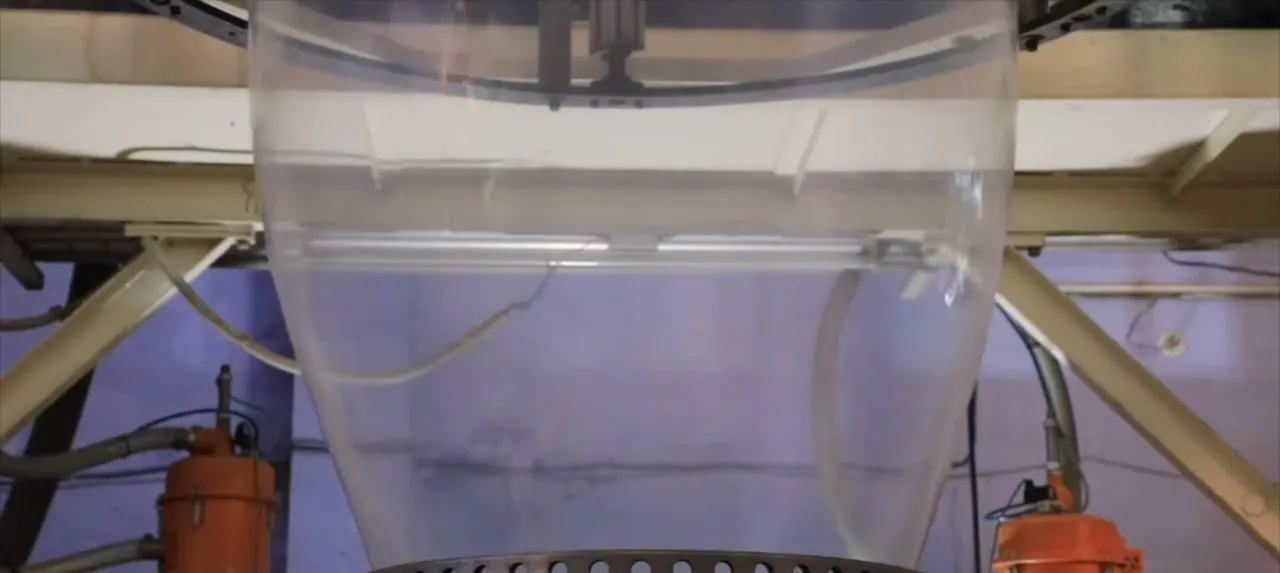
Manufacturer-Direct vs Distributor vs Retailer
When you source packing list envelopes, you choose between three layers of the supply chain. The manufacturer makes them, the distributor stocks and resells them, and the retailer sells small packs.
Each layer adds a margin, and each adds some convenience. The right one depends on your volume, how much custom work you need, how big a minimum order you can take, and how fast you need the stock.
I should say up front that I am not neutral. We are a manufacturer.
We have made packaging in Jaipur since 1997, that is 30+ years, and we ship to 20+ countries. Even so, I will tell you where a distributor or a shop is the smarter buy, because for some buyers it genuinely is.
What is the difference between a manufacturer, distributor and retailer?
A manufacturer makes the pouches and sells from the factory in bulk. A distributor buys in bulk and resells standard cartons quickly. A retailer sells small packs at the highest unit price.
Every step down the chain adds margin but lowers the minimum you can buy.
- The manufacturer owns the production line, the print plates and the material. It offers the lowest unit cost and full custom work, but a higher MOQ and a production lead time.
- The distributor, or wholesaler, buys cartons from manufacturers and holds inventory. Prices are mid-range, delivery is fast in its region, and the choice is limited to catalogue designs.
- The retailer, whether an office-supply shop or an online store, breaks cartons into small packs. The unit price is highest, availability is instant, and designs are standard only.
Which is cheapest, and why?
Manufacturer-direct is cheapest at volume, because you skip the distributor and retailer margins completely. Each layer marks the product up to cover its own costs. The more hands between you and the factory, the more you pay per pouch.
The catch is the minimum order quantity. We, like any manufacturer, have to set up a production run with material, print plates and machine time. That run only makes sense above a certain quantity.
This is also exactly why the unit price is low. The setup cost is spread across a large order.
Below that volume, a distributor’s carton price usually wins, because the distributor has already absorbed the MOQ for you. MOQs also vary a lot with the job. A plain clear pouch in a standard size like A5 or DL and a custom-printed pouch in an odd size will have different break points, so always ask.
How do the custom options compare?
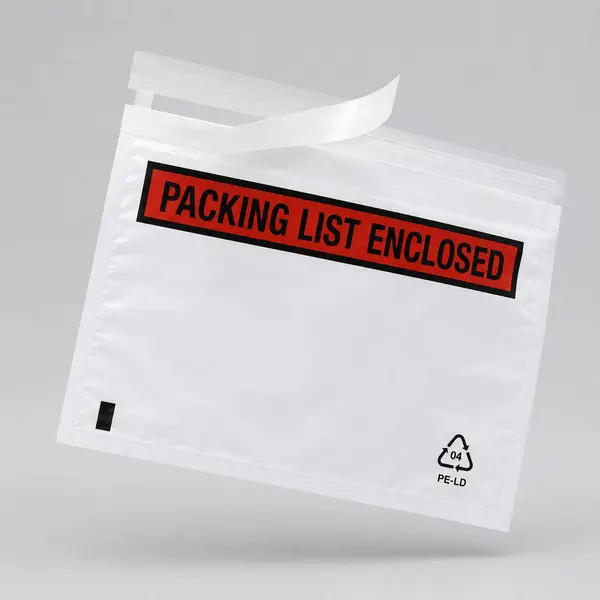
Custom work is essentially a factory service. Distributors and retailers sell standard stock, i.e. clear faces or generic “Packing List Enclosed” and “Documents Enclosed” prints in fixed sizes.
From a manufacturer you can get four things the others cannot give you.
- Your logo and brand colours on the face. Our guide to custom-printed packing list envelopes and the custom print page go into detail.
- Your own text, such as return instructions, barcodes, regulatory wording or legends in several languages.
- A non-standard size cut to your exact packing slip or invoice, so nobody has to fold documents into a stock size.
- Film and adhesive choices matched to where the carton goes, such as cold chain, outdoor pallets or a long sea voyage.
If you need any of these, the decision is already made. You are buying from the factory.
Which has the shortest lead time?
Distributors and retailers are fastest, because they ship finished goods from their shelves. For standard sizes that is often the same day or the next.
A manufacturer needs production time, and so do we. Direct buying suits planned, repeat demand, not an urgent top-up this week.
If we are shipping to you from Jaipur, add sea or air transit on top of that. We would always rather tell you this before the order than after.
This is the classic trade-off. You get speed and convenience at the top of the chain, and cost and control at the bottom. For one carton needed tomorrow, the shop wins. For a year of branded stock on a schedule, the factory wins.
Manufacturer vs distributor vs retailer: side by side
| Factor | Manufacturer-direct | Distributor (wholesale) | Retailer |
|---|---|---|---|
| Unit price | Lowest at volume | Mid-range | Highest |
| Minimum order | Higher (one production run) | Usually one carton | A small pack |
| Custom work | Full: logo, text, size, material | Catalogue only | Standard only |
| Lead time | Production plus shipping | Fast, from stock | Instant or in-store |
| Best for | High volume, branding, custom sizes | Fast standard stock by the carton | Small or one-off needs |
| Quality control | Direct with the source | Through the reseller | Through the reseller |
Do not forget total cost of ownership
The unit price is not the whole story. Total cost of ownership adds freight, storage, admin time and the hidden cost of poor quality or running out.
Buying direct lowers the unit price but raises your holding cost, because you store a larger order and tie up cash. Buying from a distributor or shop raises the unit price but moves the storage problem to someone else.
Then there is quality, and this is the rule of the trade I would underline. A weak adhesive or a pouch that splits in transit costs far more in lost documents and customs delays than the few paise saved per unit.
So weigh the visible price against all of this before you decide.
On a full 20 ft or 40 ft container, the freight share per pouch drops a lot, and that is where direct buying really pulls ahead.
When does each channel fit?
Ask yourself three questions.
- How many do I need in a year? A few hundred points to a retailer. Cartons, fast, points to a distributor. Tens of thousands points to a manufacturer.
- Do I need branding or a custom size? If yes, that is factory work.
- How fast do I need them? Tomorrow means distributor or shop stock. Planned ahead means factory production at the best price.
Many businesses follow a natural path. They start with shop or distributor stock for convenience and move to the factory once volume and branding justify the MOQ. I think that is a sensible way to grow, and I would not push a small seller into a production run before they are ready.
You can see our clear and printed options on the product range page, and compare the buying channels in our wider guide on where to buy packing list envelopes.
Thinking about buying direct? Send us your size, print and yearly quantity, and we will quote at your volume and send samples to try.
Frequently asked questions
Is it cheaper to buy packing list envelopes direct from the manufacturer?
At volume, yes. Buying direct removes the distributor and retailer margins, so the unit cost is usually the lowest you will find. In return you accept a higher minimum order and a production lead time, which pay off once you order in large numbers or need custom printing.
What is the difference between a manufacturer, a distributor and a retailer?
A manufacturer makes the pouches and sells from the factory in bulk. A distributor buys in bulk and resells standard cartons with quick delivery. A retailer sells small packs at the highest unit price. Each layer adds a margin and some convenience.
Can I buy direct from a manufacturer as a small business?
Often, yes, but it depends on the minimum order quantity. If your yearly volume sits below it, a distributor is usually the better route for now. Many growing businesses start there and move to the factory once volume and branding justify it.
Why do manufacturers have a minimum order quantity?
Because every production run has setup costs. Material, print plates and machine time have to be paid for before the first good pouch comes off the line. The MOQ spreads those costs over enough units to make the run sensible, and that is also why direct pricing is low per unit.
Who has the shortest lead time for packing list envelopes?
Distributors and retailers. They hold finished stock and can often ship standard sizes the same or next day. A manufacturer has to produce your order first, so direct buying suits planned, repeat demand rather than an urgent top-up.
Can only a manufacturer do custom printing and custom sizes?
In practice, yes. Your logo, return instructions, barcodes, wording in several languages and non-standard sizes are factory work. Distributors and retailers sell standard catalogue stock.
What is total cost of ownership when sourcing pouches?
It is the unit price plus freight, storage, admin time and the cost of poor quality or running out. A cheap unit price can lose once you count lost documents or customs delays. Direct buying, on the other hand, adds the cost of holding more stock, so weigh both sides.
Sourcing these in volume?
We make packing list envelopes in Jaipur for importers and distributors. Factory-direct, private label welcome.